
No products in the cart.

What are the best training treats for dogs?

Training treats can make teaching your dog new skills more enjoyable. Whether you’re working on recall at the park, teaching a puppy to sit, or encouraging calmer behaviour at home, a well-chosen reward can help your dog understand which behaviours you want to see again.
But what makes a good dog training treat? It isn’t simply a matter of choosing the tastiest snack. The best option depends on your dog’s size, how quickly they eat, what motivates them and how often you’ll be rewarding them.
At Healthy Dog Treats, we’ve been helping Australian dog owners choose natural meat treats since 2011. Here are the things we recommend considering before you fill your treat pouch.
What Makes a Good Training Treat?
A useful training treat should be appealing to your dog, easy for you to handle and suitable for the type of training you’re doing.
Before choosing one, consider four things:
- Size: Can you offer a small reward without giving your dog a large snack every time?
- Texture: Does your dog prefer something firm and chewy, or a treat that is easier to break apart?
- Speed: Can your dog eat the treat and return their attention to you without a long interruption?
- Convenience: Do you want a treat that is ready to use straight from the packet, or are you happy to cut larger treats into smaller pieces?
There is no single perfect training treat for every dog. It can be worth trying a couple of different textures and flavours to discover which rewards work best for yours.
Four Dog Training Treats Worth Considering
- Kangaroo Sticks — Flexible, Easy-to-Portion Rewards
Long meat sticks can be a convenient choice when you want control over the size of each reward. You can slice a stick into small discs or pieces before heading out, rather than carrying a large treat that your dog has to work through.
This can be useful for practising recall, rewarding your dog during a walk or working through a series of short training exercises.
The advantage is flexibility: you decide how much to offer for each successful response. Cut the pieces to a suitable size for your own dog, and supervise while treats are being eaten.
- Beef Liver — A Traditional Favourite
Beef liver has long been a popular choice for dog owners and trainers. Its distinctive smell and flavour make it worth trying when you need a reward your dog finds particularly appealing.
Our beef liver treats are made from a single ingredient: beef liver. The pieces can be offered whole when appropriate or broken into smaller portions for training.
Because dried liver is nutrient-dense, use it in moderation and take the amount of treats into account when feeding your dog overall. It can be especially handy to keep a few pieces aside for situations where you want a more motivating reward.
- Chicken Meat Balls — Ready-Made Rewards
Shop Chicken Meat Balls Training Treats
If you would rather not spend time cutting up treats, ready-made meat balls offer a convenient alternative.
Chicken Meat Balls are a practical option for everyday rewards and training sessions, particularly with medium and larger dogs. Their relatively firm texture means they may take longer to eat than a very small piece of meat, so consider your dog’s size and chewing style before using them for rapid-fire training.
They can also be useful when you want a consistent, ready-to-feed treat without preparing individual pieces beforehand.
- TIDBITZ Variety Pack — Different Shapes and Textures
Some dogs enjoy variety, and some owners simply want several treat options in one bag.
Our TIDBITZ Variety Pack combines different types of treats, including beef and chicken nibbles, kangaroo and chicken crinkles, and pieces of roo stick. This gives you a mixture of shapes and textures to try with your dog.
You can experiment with which pieces your dog responds to best, or use different treats for different situations. Check the ingredient information before buying if your dog has food sensitivities or needs to avoid particular ingredients.
 Should Training Treats Be Small or Large?
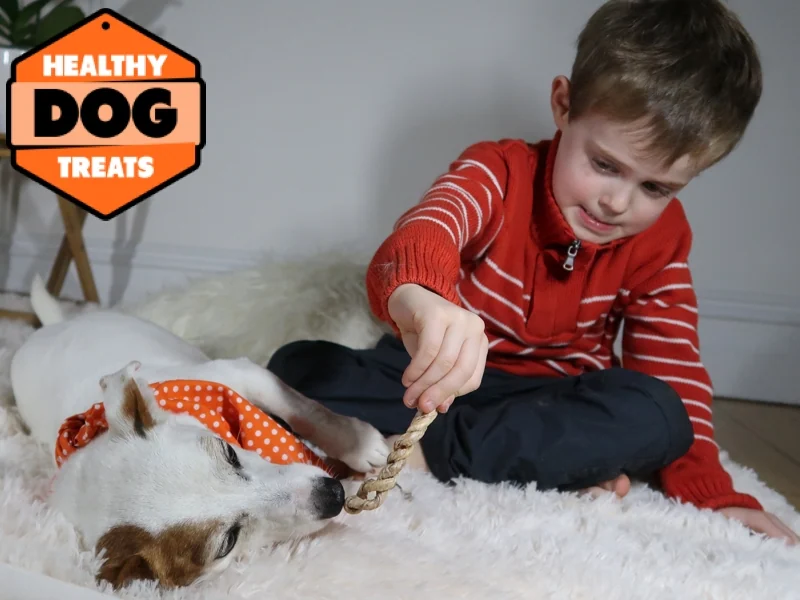 Should Training Treats Be Small or Large?
For many training exercises, smaller treats are convenient because you can reward your dog frequently without giving them a large amount of food.
For example, when practising a familiar cue such as “sit”, you may want a quick reward that allows you to repeat the exercise several times. For a more challenging task, or when practising recall in a distracting environment, you might choose something your dog finds especially appealing.
The important thing is that the treat fits the task. A large treat that takes a long time to chew can interrupt a short training sequence, while a tiny reward may not be sufficiently motivating for every dog.
Watch how your dog eats and responds. If they gulp treats without chewing, choose an appropriate size and texture, supervise closely and avoid giving pieces that could present a choking risk.
How Many Training Treats Can You Give Your Dog?
Training can involve many rewards in a short period, particularly when you’re teaching a new behaviour.
A few simple habits can help:
- Use appropriately sized pieces rather than automatically offering a full treat each time.
- Keep track of how many rewards you give during a session.
- Reduce your dog’s regular meal slightly if necessary to account for treats, while ensuring their overall diet remains balanced.
- NOTE, when using single ingredient meat or offal treats, these provide a high nutritional value. So cutting back slightly on kibble is most likely going to benefit them with the inclusion of a high value, high nutrition dog treat.
- Keep treats as part of a balanced feeding routine rather than allowing them to replace a complete and balanced diet.
If your dog has a medical condition, food sensitivities or a prescribed diet, ask your veterinarian which treats are suitable.
Should You Use the Same Treat Every Time?
Not necessarily. Some dogs will happily work for the same treat throughout a session, while others respond better when you offer a little variety.
You could start with a convenient everyday reward, then try a different flavour or texture if your dog loses interest. It can also help to save a particularly appealing treat for situations where you need your dog’s attention despite distractions.
Remember that the reward is only one part of training. Timing, consistency, patience and making the exercise achievable for your dog are all important too.
The best response for finicky eaters is to use regular dog treats for home and when going out, but hold back a high value treat that you know your dog absolutely craves, for dog training.
Find the Right Training Treat for Your Dog
The best way to choose is to consider your dog’s size, eating habits and preferences, then try a suitable option.
- Want to control the size of each reward? Try Kangaroo Sticks.
- Looking for a traditional, single-ingredient treat? Explore Beef Liver.
- Prefer a ready-made reward? See Chicken Meat Balls.
- Want a mixture of shapes and textures? Take a look at the TIDBITZ Variety Pack.
You can also browse our full range of Dog Training Treats to compare more options.
Healthy Dog Treats has been supplying Australian dog owners since 2011, with a range of natural meat treats and other rewards to suit different dogs and training routines.
Happy training — and enjoy finding the rewards that make your dog’s tail wag!